
Know which actions help you make better decisions. Good marketing is rarely about one magic setting. It is about clear thinking, useful evidence and the next practical move.
Decide what a conversion means.
For a local service, a completed enquiry may matter. For a restaurant, a reservation may matter. For an online shop, a purchase matters. A click on every button should not have the same weight.
Make events easy to check.
List the important customer actions. Confirm what happens in the browser. Check that a tracked event fires only when the intended action happens. If a form merely opens WhatsApp, it should not be counted as a successfully delivered message.
Understand different platforms.
Google Ads, Meta Ads and GA4 can report different numbers. Lookback windows, attribution models, browser limits and event definitions all play a role. A mismatch is not always a broken tag.
Use reports as a conversation.
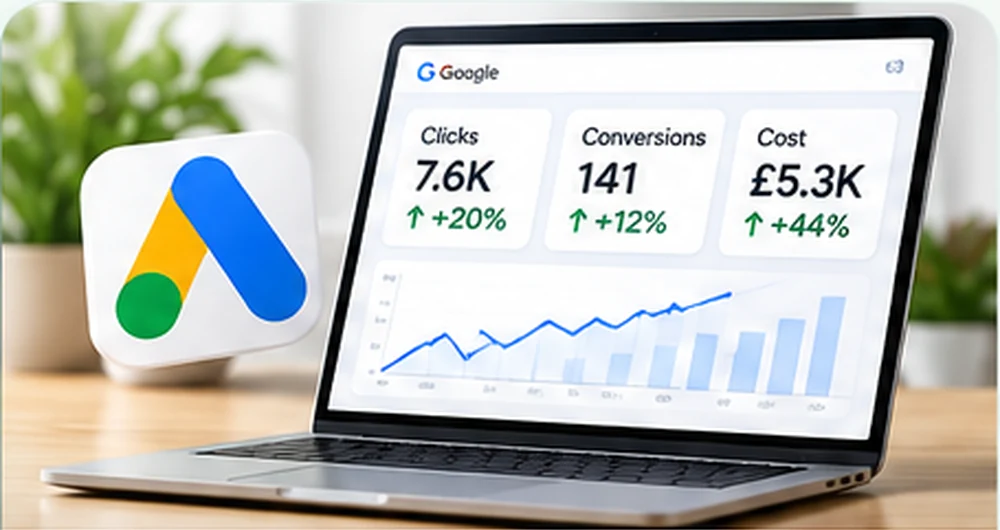
Your weekly report should explain what changed, what might have caused it and what needs checking. A chart without a decision is decoration.
Protect customer privacy.
Use necessary consent and collect only what is needed. Avoid putting private customer information into analytics event URLs.
What to do next
- Write down every conversion event and its purpose.
- Test tracking on desktop and mobile.
- Separate reported conversions from confirmed sales.
Keep the goal in view.
Ask what you want your customer to understand or do. Choose the simplest useful measurement. Then improve one step. A small, clear change you can learn from is worth more than a complicated plan nobody follows.
Need help putting this into practice? ARAT works across paid media, SEO, websites, creative and measurement for businesses in Nepal and beyond.
Discuss your next step